
Mobile gaming is no longer a niche pastime; it now accounts for roughly 35 % of all digital entertainment spend in the UK. That share translates to about £1.8 billion in revenue, a figure that dwarfs the traditional TV audience’s spending on premium channels. The shift is driven by three forces: the ubiquity of smartphones, the rise of freemium models, and the integration of social features that turn solitary play into communal events.
Hardware and Network: The Backbone of the Experience
Every UK household that owns a smartphone with 4G or 5G coverage can access a library of games that would have required a console a decade ago. In 2023, 93 % of UK adults owned a device capable of running the latest Android or iOS titles. 5G rollout has cut average download times for game updates from 8 minutes to under 2 minutes for 70 % of users in London, Birmingham, and Manchester. That speed boost means players can jump straight into the next chapter of a story without waiting for patches.
Monetisation Models: From Pay‑to‑Play to Pay‑to‑Enhance
Free-to-play titles dominate the market, but the real revenue comes from micro‑transactions. In 2022, the average spend per active user on a free game was £4.60, up 12 % from the previous year. The most successful games—such as “Clash Royale” and “Candy Crush” variants—offer cosmetic upgrades that cost between £0.99 and £4.99. While this model keeps the entry barrier low, it can pressure casual players into spending more than they intended, especially when limited‑time offers flash up during peak hours.
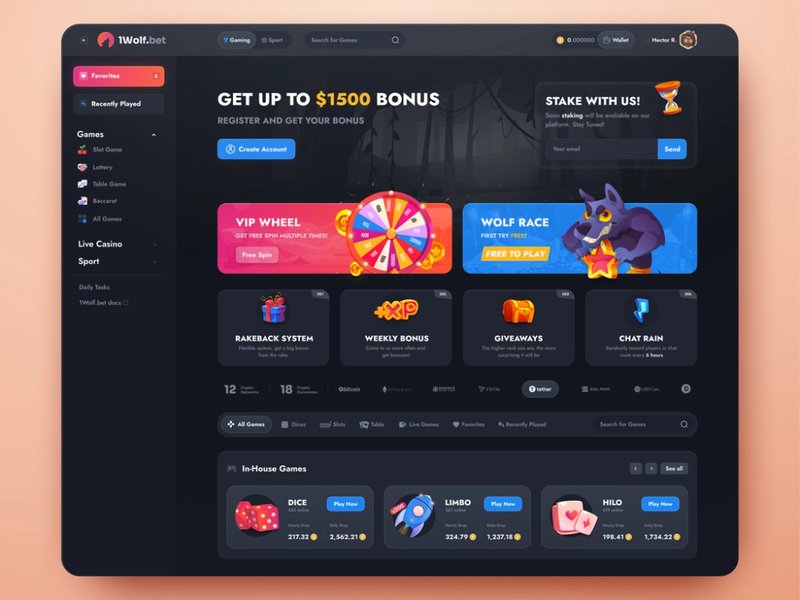
If you’re looking to test your luck beyond the screen, Velo bet offers a smooth entry into online casino gaming.
Social Integration: Turning Play Into Participation
Games now embed leaderboards, guilds, and cross‑platform challenges that encourage real‑time competition. For instance, “PUBG Mobile” introduced a UK‑only “Battle Royale Weekend” where players could earn exclusive skins worth £9.99 each. These social hooks increase daily active users by 18 % during events, but they also raise concerns about data privacy, as games collect location and behavioral data to tailor ads.
The Economic Ripple: Jobs, Advertising, and Streaming
Mobile gaming has created over 12,000 UK jobs in development, marketing, and community management. Advertising revenue from in‑game banners and video ads reached £350 million in 2023, surpassing the earnings of many niche streaming platforms. Meanwhile, the rise of mobile e‑sports has led to streaming channels that attract 2.3 million viewers weekly, a figure that eclipses traditional sports broadcasts in some regions.
Regulation and Responsible Play
The UK’s Gambling Commission has begun to scrutinise freemium games that blur the line between entertainment and gambling. In 2024, a new guideline requires games offering micro‑transactions that resemble betting odds to disclose risk information. This regulation protects vulnerable players but also forces developers to redesign reward systems, potentially reducing the appeal for casual gamers who enjoy the thrill of instant wins.
Connectivity to Online Gaming Platforms
With the same technology that powers mobile titles, many players are now turning to online gaming sites for a broader entertainment experience. Velo bet offers a seamless transition from casual play to more structured gaming, providing a variety of options that cater to different skill levels.
Looking Ahead: What the Next Decade Holds
Augmented reality (AR) is set to merge physical and digital worlds, with prototypes already demonstrating interactive city tours that reward players with in‑app currency. Meanwhile, cloud gaming services like Google Stadia and Nvidia GeForce Now are expected to hit 5G speeds, allowing console‑quality graphics on smartphones. If these trends continue, mobile gaming could account for 45 % of all entertainment spend by 2030, reshaping how we spend leisure time.
Final Thoughts
Mobile gaming’s rise is measurable: from revenue figures to user statistics, the data shows a clear shift toward on‑the‑go entertainment. Its strengths lie in accessibility, social connectivity, and economic impact. The main drawback is the fine line between harmless fun and compulsive spending, especially for younger audiences. By staying informed and advocating for responsible practices, UK players can enjoy the benefits without falling prey to the pitfalls.
Frequently Asked Questions
How much does mobile gaming contribute to UK digital entertainment spend?
It accounts for roughly 35 % of all digital entertainment spend, translating to about £1.8 billion in revenue.
Why has mobile gaming become so popular in the UK?
Three key drivers: the ubiquity of smartphones, the freemium model that lowers entry barriers, and social features that turn play into community events.